
The evolution of gambling a historical perspective on risk and reward
The Origins of Gambling
The history of gambling can be traced back thousands of years, with evidence found in ancient civilizations such as China, Greece, and Rome. Archaeological findings suggest that games of chance were played using dice and betting on outcomes as early as 3000 BC. These early forms of gambling were often linked to religious rituals, as people sought to predict the future or appease deities through games of chance. Today, you can even play using payid in many modern platforms, reflecting how far the practice has evolved.

As societies evolved, so too did the methods and purposes of gambling. In ancient Rome, for example, betting became deeply integrated into the social fabric, with events like chariot races attracting large wagers. The perception of gambling began to shift from mere fortune-telling to a more structured form of entertainment, laying the groundwork for the casinos that would emerge in the later centuries.
The Rise of Formal Gambling Institutions
The 17th century marked a significant turning point in the evolution of gambling, with the establishment of the first official gambling houses in Europe. The emergence of casinos in Italy, particularly in Venice, represented a transition from informal gatherings to regulated environments where individuals could place bets legally. These establishments catered to the growing middle class, providing a new social venue for entertainment and gambling.
As casinos gained popularity, they became synonymous with glamour and wealth. The allure of games like roulette and baccarat drew in patrons eager to test their luck against the house. This period also saw the birth of various gambling laws aimed at controlling the activities within these venues, illustrating the growing recognition of gambling as a significant economic force.
The Impact of Technology on Gambling
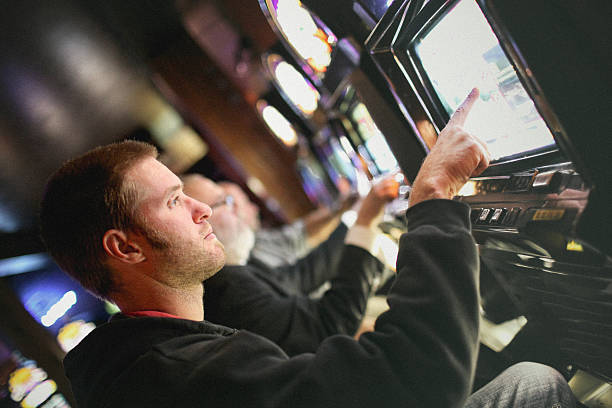
The 19th and 20th centuries saw rapid advancements in technology, profoundly influencing the gambling landscape. The invention of the mechanical slot machine in the late 1800s revolutionized the industry, offering a simple yet entertaining form of gambling that required no skill or strategy. This innovation made gambling more accessible to the masses, leading to a surge in participation and the establishment of slot machines in bars and clubs.
With the advent of the internet in the late 20th century, online gambling emerged as a new frontier. Virtual casinos allowed players to engage in their favorite games from the comfort of their homes, expanding the market significantly. The convenience of online platforms has made gambling more attractive, especially to younger generations, thus reshaping traditional gambling dynamics.
The Psychological Aspects of Gambling
Understanding the psychological elements behind gambling is crucial in comprehending its evolution. The thrill of risk-taking and the potential for substantial rewards have always attracted individuals to betting games. Behavioral economics reveals that people often overestimate their chances of winning, leading to a phenomenon known as “gambling addiction,” where the quest for reward overrides rational decision-making.
As gambling has become more integrated into society, the psychological implications have prompted various responses, including public health campaigns and support systems for those affected by gambling addiction. This growing awareness reflects a societal shift towards recognizing the balance between entertainment and the potential dangers associated with gambling.
Exploring the Future of Gambling
As we look towards the future of gambling, technological advancements continue to play a pivotal role in shaping the industry’s trajectory. Innovations such as virtual reality casinos and blockchain technology are poised to transform how people engage with gambling. These developments promise to create more immersive experiences while ensuring greater transparency and security in transactions.
Moreover, the ongoing legalization of gambling in various regions indicates a shift in public perception. As societies become more accepting of gambling as a legitimate form of entertainment, the landscape will undoubtedly continue to evolve. Responsible gambling practices will likely become more prominent, ensuring that individuals can enjoy the thrill of risk and reward without adverse consequences.


